Você já parou para pensar em como nosso inconsciente é poderoso? É como se ele fosse um verdadeiro detetive, sempre buscando pistas e conexões que nem mesmo nós mesmos percebemos. Mas o que será que está escondido lá no fundo, esperando para ser descoberto? E mais importante, como podemos acessar esse tesouro escondido?
Se você está curioso para desvendar os segredos do seu próprio inconsciente, este artigo é para você! Vamos mergulhar nas profundezas da mente humana e explorar como ela funciona de maneiras misteriosas e fascinantes. Prepare-se para desvendar enigmas, desafiar suas crenças e expandir sua compreensão sobre si mesmo.
Você já teve a sensação de que algo estava errado, mas não conseguia identificar exatamente o quê? Ou então teve sonhos estranhos que pareciam guardar mensagens importantes? E se eu te disser que todas essas experiências podem ser pistas do seu inconsciente tentando se comunicar com você? Ficou curioso agora, não é mesmo?
Então, vamos embarcar nessa jornada intrigante juntos! Prepare-se para explorar o mundo dos sonhos, aprender sobre os mecanismos da mente e descobrir como usar essas informações para melhorar sua vida. Será uma verdadeira viagem ao desconhecido, cheia de surpresas e revelações.
Então, está pronto para desvendar os mistérios do inconsciente? Venha comigo e vamos descobrir juntos o que realmente está por trás das cortinas da nossa mente!
Significado do sonho:
- Understanding the concept of the unconscious mind
- Exploring Sigmund Freud’s theories on the unconscious
- How the unconscious influences our thoughts and behaviors
- The role of dreams and symbols in uncovering the unconscious
- Psychological techniques to access and interpret the unconscious
- The connection between the unconscious and our emotions
- Unconscious biases and their impact on decision-making
- Unconscious desires and their manifestation in our daily lives
- The importance of self-reflection and introspection in uncovering the unconscious
- Practical tips for harnessing the power of the unconscious for personal growth

The Unconscious Mind: Unveiling the Secrets of Your Psyche
Have you ever wondered why you react a certain way to certain situations? Or why you have recurring dreams that seem to hold a deeper meaning? Well, my friend, let me introduce you to the fascinating world of the unconscious mind.
Our unconscious mind is like a hidden treasure chest, filled with memories, emotions, and beliefs that we may not even be aware of. It’s like a secret agent working behind the scenes, influencing our thoughts, actions, and even our dreams.
The Power of the Unconscious: How it Influences Our Thoughts and Actions
The power of the unconscious mind is truly remarkable. It shapes our perception of reality and influences the decisions we make on a daily basis. Have you ever had a gut feeling about something? That’s your unconscious mind at work, tapping into its vast knowledge and wisdom.
Our unconscious mind also plays a significant role in our habits and behaviors. Ever wondered why you automatically reach for that chocolate bar when you’re feeling stressed? It’s because your unconscious mind has associated chocolate with comfort and relief.
Exploring Dreams: Unlocking the Messages from Your Unconscious Mind
Dreams are like windows into our unconscious mind. They provide us with valuable insights and messages that can help us understand ourselves better. Have you ever had a dream that felt so vivid and real? That’s your unconscious mind trying to communicate with you.
By paying attention to our dreams and analyzing their symbolism, we can gain a deeper understanding of our fears, desires, and unresolved issues. It’s like having a personal therapist in the comfort of your own bed!
Uncovering Childhood Trauma: How the Unconscious Holds the Key to Healing
Childhood trauma can have a profound impact on our lives, even if we don’t remember the specific events. Our unconscious mind acts as a vault, storing these painful memories and protecting us from reliving the trauma.
However, in order to heal and move forward, we must be willing to explore our unconscious and confront these buried emotions. Through therapy and self-reflection, we can unlock the hidden traumas and begin the healing process.
Tapping into Intuition: Harnessing the Wisdom of Your Unconscious Mind
Intuition is often described as a “gut feeling” or a “sixth sense.” It’s that inner knowing that guides us in making decisions, even when logic fails. And guess what? It’s all thanks to our unconscious mind!
When we tap into our intuition, we are accessing the wisdom of our unconscious mind. It’s like having a personal advisor who knows what’s best for us. So next time you have that gut feeling, trust it. Your unconscious mind knows what it’s doing.
Creating Change: Using Techniques to Access and Transform Your Unconscious Beliefs
Our unconscious beliefs shape our reality. They can either limit us or empower us to reach our full potential. The good news is that we have the power to change these beliefs and create a new reality.
Through techniques such as hypnosis, meditation, and affirmations, we can access our unconscious mind and reprogram it with positive and empowering beliefs. It’s like hitting the reset button on our subconscious programming.
Embracing Self-Discovery: Journeying into the Depths of Your Unconscious
Embarking on a journey of self-discovery means diving deep into the depths of our unconscious mind. It’s about embracing all aspects of ourselves, even the ones we may not be proud of.
By exploring our unconscious mind, we can uncover hidden talents, passions, and desires that have been buried beneath layers of societal conditioning. It’s like rediscovering who we truly are and living life on our own terms.
So, my friend, are you ready to embark on this thrilling adventure into the realm of the unconscious mind? Get ready to discover the hidden meanings behind your thoughts, dreams, and actions. It’s time to unlock the secrets of your psyche!

| Mito | Verdade |
|---|---|
| Mito: O inconsciente é apenas um conceito psicológico sem base científica. | Verdade: O inconsciente é uma parte real e ativa da mente humana, estudada pela psicologia e neurociência. |
| Mito: O inconsciente não influencia nossas ações e comportamentos. | Verdade: O inconsciente desempenha um papel importante em nossas ações e comportamentos, muitas vezes influenciando-os de maneiras sutis e inconscientes. |
| Mito: O inconsciente é apenas responsável por nossos desejos e impulsos sexuais reprimidos. | Verdade: Embora os desejos e impulsos sexuais reprimidos sejam uma parte do inconsciente, ele também abrange outros aspectos, como memórias, emoções e crenças que não estão conscientemente acessíveis. |
| Mito: Não podemos acessar ou trabalhar com o inconsciente de forma consciente. | Verdade: Existem várias técnicas, como a hipnose e a terapia psicanalítica, que podem ajudar a acessar e trabalhar com o inconsciente de forma consciente, permitindo a exploração e resolução de questões emocionais e psicológicas profundas. |

Curiosidades:
- Did you know that our unconscious mind is responsible for 95% of our thoughts and actions?
- The concept of the unconscious was first introduced by Sigmund Freud, the father of psychoanalysis.
- Our unconscious mind stores memories, emotions, and beliefs that we are not consciously aware of.
- Dreams are a window into our unconscious mind, as they often reveal hidden desires, fears, and unresolved issues.
- The unconscious mind plays a crucial role in decision-making, as it processes information faster than our conscious mind.
- Have you ever experienced a “gut feeling” or intuition? This is your unconscious mind trying to communicate important information to you.
- Many psychological disorders, such as phobias and anxiety, stem from unconscious conflicts and unresolved traumas.
- Hypnosis is a powerful tool to access the unconscious mind and uncover hidden memories or emotions.
- Art therapy can also tap into the unconscious mind, allowing individuals to express their inner thoughts and feelings through creative mediums.
- Understanding and exploring our unconscious mind can lead to self-discovery, personal growth, and healing.
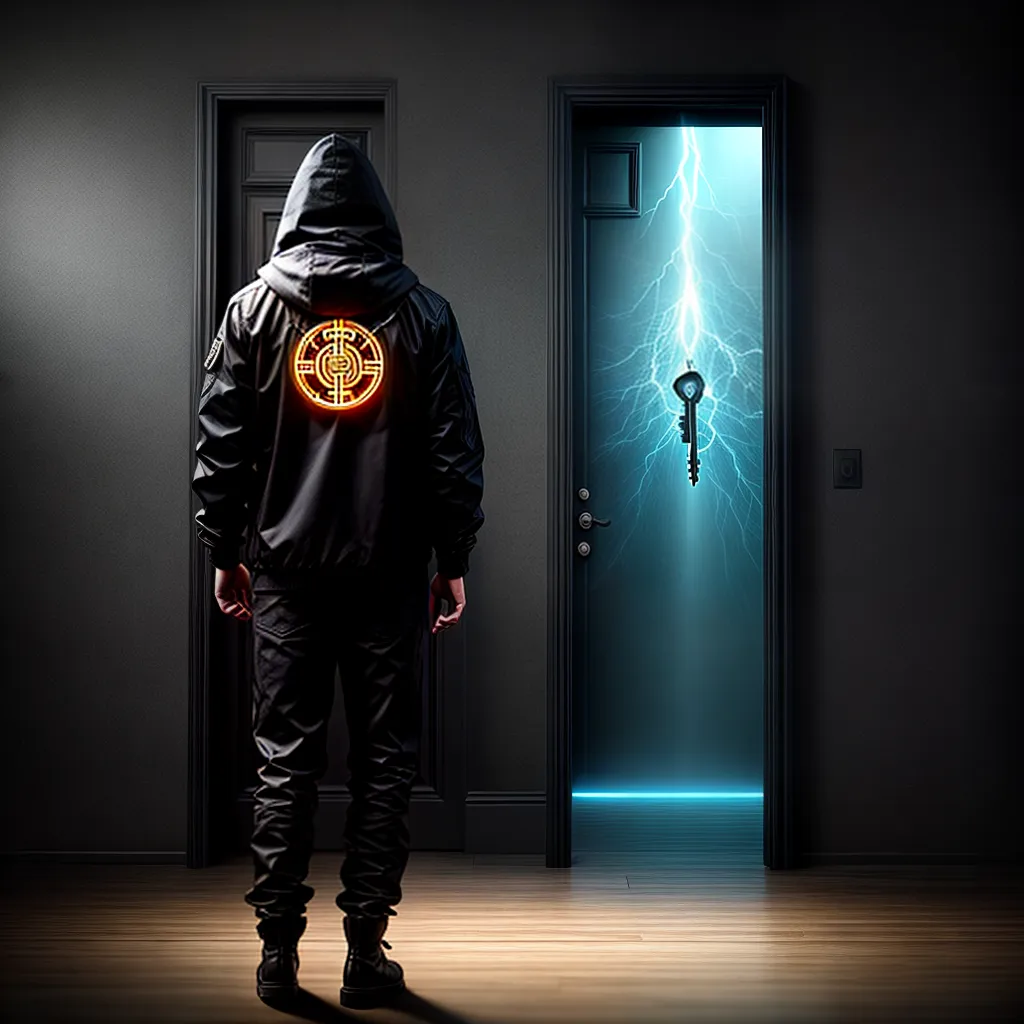
Saiba mais:
– Unconscious: Refers to the part of the mind that contains thoughts, memories, and desires that are not currently in the conscious awareness. It is believed to influence our behavior and emotions without our conscious knowledge.
– Hidden Meaning: Refers to the underlying or symbolic significance of something that is not immediately apparent. It suggests that there may be deeper interpretations or messages behind a particular event, behavior, or object.
– Thoughts: Mental processes that involve the formation, organization, and manipulation of ideas and information. Thoughts can be conscious or unconscious.
– Memories: Mental representations of past experiences that have been encoded and stored in the brain. Memories can be conscious or unconscious and can influence our thoughts, emotions, and behaviors.
– Desires: Strong wants or wishes for something. Desires can be conscious or unconscious and can motivate our actions and choices.
– Conscious Awareness: Refers to the state of being aware of one’s thoughts, feelings, sensations, and surroundings. It involves being present and actively perceiving and processing information.
– Behavior: Refers to the actions, reactions, or conduct of an individual. Behavior can be influenced by both conscious and unconscious factors.
– Emotions: Psychological responses to certain events or situations that involve a combination of physiological changes, subjective feelings, and behavioral expressions. Emotions can be conscious or unconscious and play a significant role in shaping our experiences.
– Interpretations: The act of assigning meaning or significance to something based on personal understanding or perspective. Interpretations can vary from person to person and can be influenced by conscious and unconscious factors.
– Messages: Information or communication conveyed through various means, such as words, gestures, symbols, or actions. Messages can be explicit (directly stated) or implicit (implied or suggested) and may contain hidden meanings.
– Symbolic: Relating to or representing something else through the use of symbols. Symbols are objects, images, or actions that stand for or represent abstract ideas, concepts, or qualities. Symbolic meanings can be conscious or unconscious and can add depth and richness to our understanding of various phenomena.

1. O que é o inconsciente e por que ele é tão fascinante?
Resposta: Ah, o inconsciente, esse território misterioso dentro de nossas mentes! É como uma caixa de surpresas, cheia de pensamentos e desejos ocultos. É fascinante porque nos mostra que nem sempre estamos no controle total de nossas ações e emoções.
2. Como o inconsciente influencia nossas vidas?
Resposta: O inconsciente é como um diretor de cinema invisível, que nos guia por trás das cortinas. Ele molda nossos comportamentos, motivações e até mesmo nossos sonhos. Às vezes, pode nos levar a agir de maneiras que não compreendemos totalmente.
3. Quais são os sinais de que o inconsciente está em ação?
Resposta: Ah, o inconsciente adora deixar pistas! Pode se manifestar através de lapsos de memória, sonhos simbólicos ou até mesmo desejos reprimidos que surgem em momentos inesperados. Fique atento aos sinais!
4. Como podemos acessar o inconsciente?
Resposta: Bem, não temos uma chave mágica para abrir as portas do inconsciente, mas existem algumas técnicas que podem ajudar. A meditação, por exemplo, pode nos ajudar a relaxar e entrar em contato com nossos pensamentos mais profundos.
5. O que os sonhos revelam sobre o inconsciente?
Resposta: Ah, os sonhos! Eles são como pequenos filmes que nosso inconsciente produz enquanto dormimos. Eles podem revelar desejos reprimidos, medos ocultos ou até mesmo soluções para problemas que estamos enfrentando. É como um teatro da mente!
6. O inconsciente pode nos ajudar a resolver problemas?
Resposta: Com certeza! Às vezes, quando estamos quebrando a cabeça para resolver um problema, é o inconsciente que entra em ação. Ele trabalha nos bastidores, conectando ideias e encontrando soluções criativas que nem sempre conseguimos alcançar conscientemente.
7. Por que às vezes temos reações emocionais intensas sem motivo aparente?
Resposta: Ah, o inconsciente adora nos surpreender! Às vezes, podemos ter uma reação emocional intensa sem entender por quê. Isso ocorre porque o inconsciente está processando informações em segundo plano e pode estar trazendo à tona memórias ou traumas esquecidos.
8. Como o inconsciente pode afetar nossos relacionamentos?
Resposta: O inconsciente pode ser um convidado indesejado em nossos relacionamentos! Ele pode influenciar nossas escolhas de parceiros, criar padrões de comportamento repetitivos e até mesmo sabotar relacionamentos saudáveis se não estivermos atentos.
9. Existe alguma maneira de controlar o inconsciente?
Resposta: Controlar o inconsciente? Bem, ele é como um gato selvagem – difícil de domar! Mas podemos aprender a reconhecer seus sinais e trabalhar com ele de forma mais consciente. A autoconsciência e a terapia podem ser ferramentas úteis nessa jornada.
10. O que podemos aprender sobre nós mesmos através do inconsciente?
Resposta: O inconsciente é como um espelho mágico que reflete nossos desejos, medos e anseios mais profundos. Ao explorá-lo, podemos descobrir partes de nós mesmos que desconhecíamos e encontrar uma compreensão mais profunda de quem somos.
11. O inconsciente é sempre positivo ou também pode ser negativo?
Resposta: Ah, o inconsciente é um território vasto e complexo! Ele pode ser tanto positivo quanto negativo, dependendo das experiências e emoções que estão escondidas lá. É como uma mistura de luz e sombra, que precisamos explorar com cautela.
12. Como o inconsciente se relaciona com a criatividade?
Resposta: O inconsciente é o playground dos artistas! É onde as ideias mais criativas nascem e ganham vida. Quando nos permitimos mergulhar nas profundezas do inconsciente, podemos acessar um fluxo de inspiração infinito.
13. Existe alguma maneira de interpretar os símbolos do inconsciente?
Resposta: Ah, os símbolos do inconsciente são como enigmas a serem decifrados! Não existe uma fórmula mágica para interpretá-los, mas podemos aprender a reconhecer padrões e conexões entre os símbolos e nossas próprias experiências de vida.
14. O que acontece quando reprimimos o inconsciente?
Resposta: Quando reprimimos o inconsciente, é como colocar uma tampa em uma panela fervendo. Os pensamentos e emoções reprimidos podem acabar explodindo de maneiras inesperadas, causando ansiedade, depressão ou até mesmo problemas de saúde.
15. Como podemos usar o conhecimento do inconsciente para melhorar nossas vidas?
Resposta: Conhecimento é poder, não é mesmo? Ao nos tornarmos mais conscientes de nosso inconsciente, podemos tomar decisões mais informadas, entender melhor nossos padrões de comportamento e trabalhar para alcançar um maior equilíbrio e bem-estar em nossas vidas. É como abrir uma porta para um mundo interior fascinante!
Compartilhe nas Redes Sociais! :)


Você leu . O Guia Esotérico estará aqui para te ajudar sempre que precisar. Veja mais ideias:
Palpites Jogo do Bicho:
| Jogo | Sugestão |
|---|---|
| Jogo do Bicho | Cachorro |
| Mega Sena | 49, 37, 16, 5, 40, 32 |
| Loto Fácil | 2, 2, 6, 24, 15, 13, 11, 9, 7, 17, 20, 2, 16, 25, 14 |
| Timemania | 4, 14, 73, 15, 72, 63, 35, 80, 51, 48 |